

Long-Distance Moving Tips: Everything You Need to Know
Moving to a new city is one of the most exciting , and overwhelming , things you can do. Whether you’re relocating for a new job, a fresh start, or family, a long-distance move comes with challenges that require careful planning. The good news? With the right long-distance moving tips, you can take control of the process and turn chaos into a confident, well-organized transition.
This guide covers everything from building your moving budget to choosing reliable long-distance movers, so you arrive at your new home without the stress.
1. Start Planning at Least 8 Weeks in AdvanceThe biggest mistake people make with long-distance moves is underestimating how much time preparation takes. Unlike a local move where you might manage with a week’s notice, moving to a new city requires coordinating across hundreds , or thousands , of miles.
Start with a master checklist and work backwards from your move date. Key milestones to hit:
8+ weeks out: Research moving companies, request quotes, decide on move date
6 weeks out: Confirm your mover, begin decluttering, notify utilities and services
4 weeks out: Order packing materials, begin packing non-essentials
2 weeks out: Confirm logistics with your mover, pack most belongings
1 week out: Pack essentials bag, do final walkthroughs, confirm arrival details
The earlier you start, the more choices you’ll have , and the better rates you’ll find.
2. Research Moving Companies ThoroughlyNot all moving companies are created equal, especially for long-distance moves. A local mover you’ve used before may not have the infrastructure or experience for an interstate relocation. When searching for reliable long-distance movers, look for:
FMCSA (Federal Motor Carrier Safety Administration) registration , all interstate movers are legally required to have this
A USDOT number, which you can verify at SaferSys.org
Verified customer reviews on Google, Yelp, and the Better Business Bureau
Clear, written contracts , no vague verbal estimates
Experience with your specific type of move (apartment, home, fragile items, vehicles)
Be cautious of any company that demands large upfront cash deposits or provides estimates without doing a proper assessment of your belongings.
3. Get at Least Three QuotesOne of the smartest long-distance moving tips is simple: never go with the first quote you receive. Prices for long-distance moves can vary significantly between companies , sometimes by hundreds or even thousands of dollars , for the same service.
Request in-home or virtual estimates from at least three companies. Make sure each estimate is based on the same scope: the same number of rooms, same inventory, same services (packing, storage, specialty items). This makes comparison apples-to-apples.
Ask each company whether their quote is binding (locked in), non-binding (subject to change based on weight), or a “not-to-exceed” estimate. A binding or not-to-exceed estimate offers the most financial predictability.
4. Build a Realistic Moving BudgetLong-distance moves cost more than most people expect. Creating a moving budget before you commit to anything helps you avoid surprises and make smarter decisions throughout the process.
Your budget should include:
Moving company fees (transportation, labor, fuel surcharges)
Packing materials (boxes, tape, bubble wrap, specialty containers)
Insurance / valuation coverage for your belongings
Temporary storage if there’s a gap between move-out and move-in dates
Travel expenses (flights, gas, hotels, meals en route)
First-month costs at the new location (deposits, setup fees, utilities)
Contingency buffer , add 10–15% to your total for unexpected costs
Knowing your numbers upfront means you can compare quotes realistically and avoid cutting corners on important protections like insurance.
5. Prepare Your Belongings the Right WayHow you pack for a long-distance move matters more than for a local one. Your belongings will spend days in transit, often on a truck with other customers’ items. Poor packing leads to damage, loss, and stress.
Follow these preparation tips:
Declutter before you pack , don’t pay to move things you don’t need
Disassemble large furniture and keep hardware in labeled zip-lock bags
Protect fragile items with double-boxing and adequate cushioning
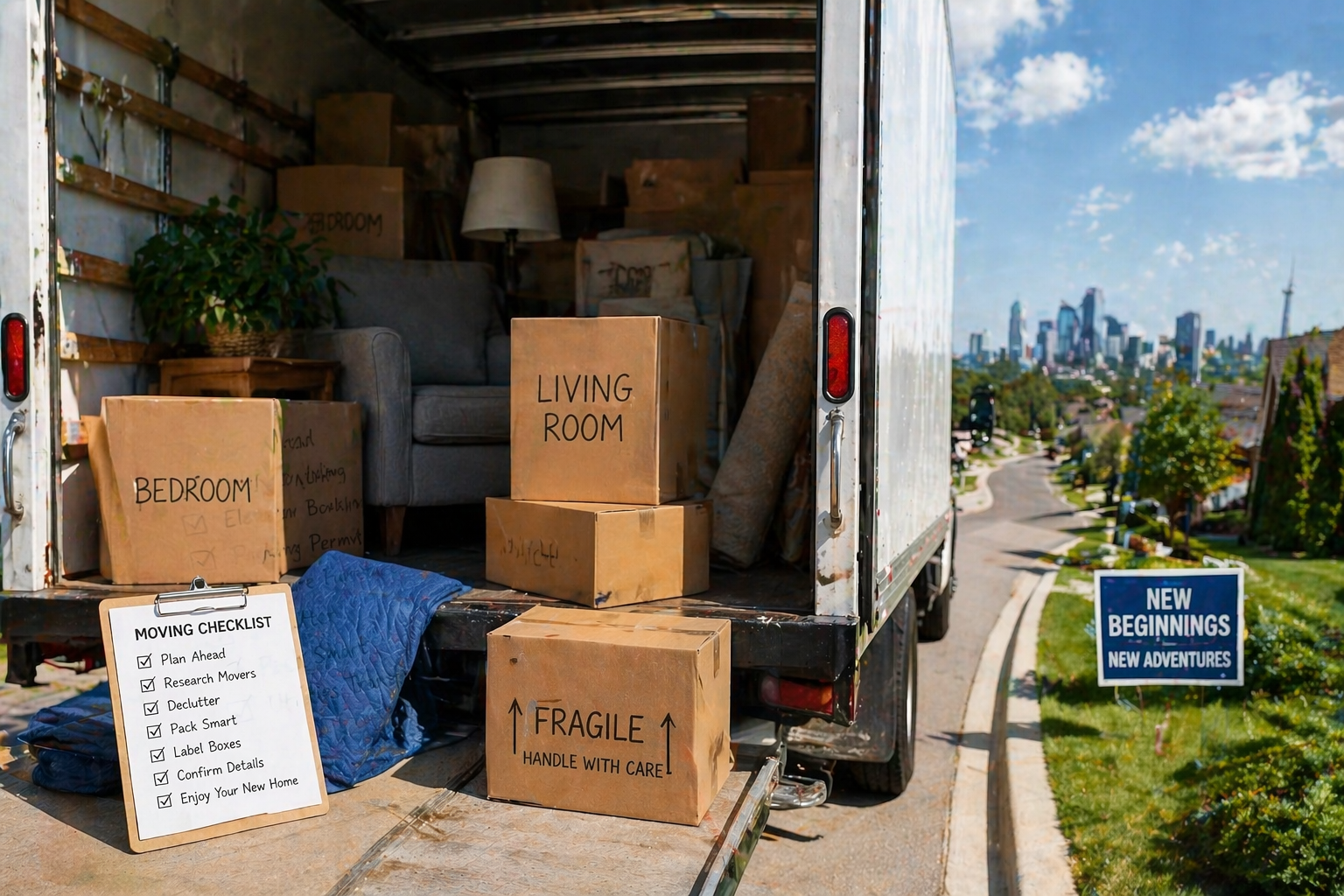
Label every box clearly on the top and at least one side , include room destination and contents
Create a photo inventory of valuables before packing
Pack an ‘essentials bag’ with items you’ll need immediately on arrival: toiletries, a change of clothes, chargers, important documents, snacks
6. Choose the Right Moving Service for Long DistancesThere are several types of long-distance moving services, and the right one depends on your budget, timeline, and needs:
Full-Service Movers
A professional team handles everything: packing, loading, transit, unloading, and sometimes even unpacking. This is the most stress-free option and ideal for families, large homes, or anyone with limited time.
Container/Pod Services
You pack a portable container that’s then transported to your new location. More flexible on timing, but you do the packing yourself.
Truck Rental
The most affordable option, but also the most demanding , you handle all packing, loading, driving, and unloading. Best for those moving on a tight budget with plenty of help.
For most people making a significant long-distance move, working with professional movers is worth the investment. The peace of mind, insurance coverage, and reduced physical strain typically outweigh the cost difference.
7. Stay Organized on Moving DayEven the best-planned moves can feel chaotic on the actual day. A few habits will help you stay on top of things:
Keep a printed copy of your inventory list and check items off as they’re loaded
Have a dedicated ‘do not move’ area for items you’ll transport personally
Be present for the initial walkthrough with your movers and confirm all details in writing
Keep your phone charged and accessible , you may need to coordinate with your mover or building management
Take timestamp photos of your old home before leaving and your new home before unloading begins
Work With a Trusted Long-Distance Moving CompanyTaking on a long-distance move without the right support is unnecessarily difficult. Redline Movers offers dedicated long-distance moving services built around reliability, careful handling, and transparent logistics , so your belongings are in professional hands from the moment pickup begins to the final delivery at your new home. Their team handles the heavy lifting and coordination so you can focus on the exciting part: settling into your new city.
Whether you’re moving across the province or across the country, the right moving partner makes all the difference.
Frequently Asked QuestionsHow far in advance should I book a long-distance moving company?
Ideally, book your long-distance mover at least 6–8 weeks before your move date. During peak season (May through September), some companies book out 10–12 weeks in advance. Booking early gives you access to better availability, pricing, and planning support.
What’s the difference between a binding and non-binding estimate?
A binding estimate locks in the price regardless of actual weight or time. A non-binding estimate can change based on the final weight of your shipment. For long-distance moves, ask for a binding or ‘not-to-exceed’ estimate to avoid surprises at delivery.
How are long-distance moving costs calculated?
Long-distance moves are typically priced based on the total weight of your shipment and the distance traveled. Additional factors include the services requested (packing, storage), fuel surcharges, and the time of year. A proper in-home or virtual estimate gives you the most accurate pricing.
Do I need special insurance for a long-distance move?
All licensed movers are required to offer basic liability coverage (usually $0.60 per pound per item). For higher-value belongings, consider purchasing full-value protection through your mover or a separate policy through your home insurer. Review what's covered before signing anything.